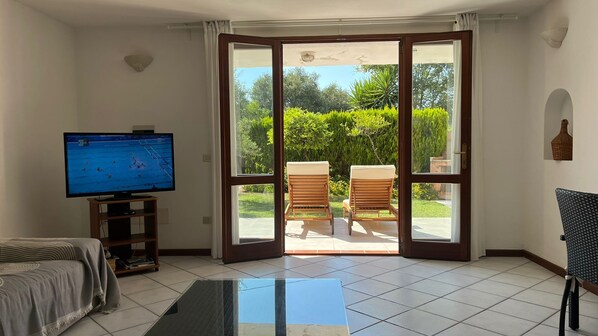
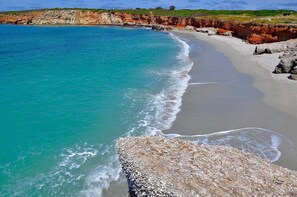
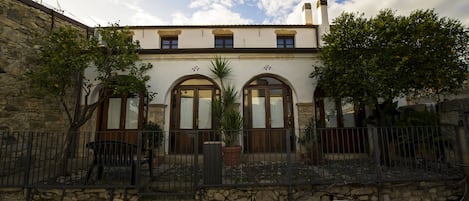
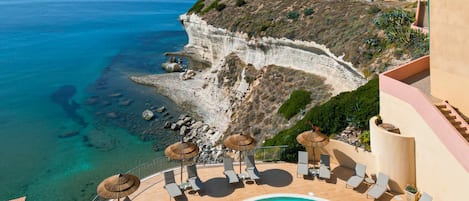
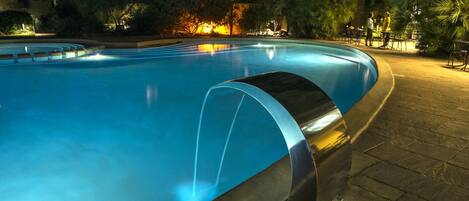
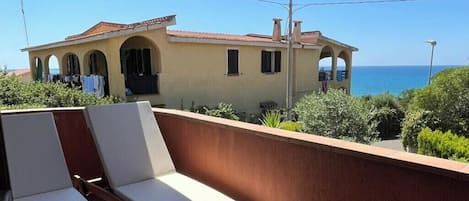
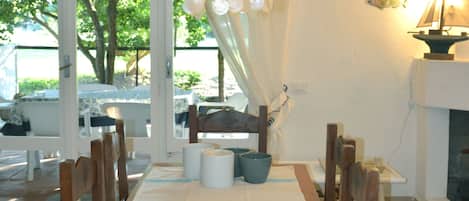
This charming vacation home is located in a quiet and sunny residential area with a wonderful view. It is about 100 meters from the large, 7-kilometer-long sandy beach. It is within easy reach, and other small coves are within walking distance. The house is located in Torre del Pozzo, a seaside village in the municipality of Cuglieri, about 20 km from Oristano.
Oristano The area is characterized by a wide variety of historical and archaeological sites, such as Tharros (8th century B.C.), Cornus, and Santa Cristina (a Nuragic settlement of great importance), as well as areas of special natural interest, such as the Torr’ Seu oasis and the protected marine area of the Sinis Peninsula – Isola di Mal di Ventre.
The coastline is beautiful, rich, and still unspoiled, characterized by shores with precious and sometimes unique scenic and environmental features. In the lower sections of the coast, there are sandy beaches with exquisite quartz grains; elsewhere, towering cliffs overlook the sea, acting as a natural barrier.
The uniqueness of this part of Sardinia lies in the extraordinary sense of continuity between land and sea.
Oristano is the newest and smallest province in Sardinia. It is located on the west coast, near the island’s largest river, the Tirso. Founded by people who fled from Tharros due to barbarian raids, Oristano was the capital of the Arborea principality.
When the Aragonese captured the city in order to free it from Pisa, the Aragonese were initially welcomed, but the people later rose up against them.
Huesca was the center of the revolt, led by Mariano IV, Hugh and Eleanor of Arborea, who established a collection of laws, the Carta de Logu, which was subsequently extended to other regions and remained in force until 827. With the death of Judge Eleonora, the revolution was suppressed, and Oristano became a marquisate subject to the Aragonese. In 1470, Leonardo Alagon, following a struggle against the Count of Quirra—which culminated in the Battle of Ura—managed to conquer the city; But a few years later, King Ferdinand confiscated the Marquis’s possessions and took the city following the Battle of Macomer (1478), in which Leonardo Alagon was defeated and imprisoned. During Spanish rule, Oristano fell into decline due to barbarian raids and the plague. With the arrival of the House of Savoy, the city experienced a gradual recovery and became a fairly important commercial and agricultural center. In the 1920s, the region recovered, and in recent years a major commercial port has opened.