
Tegalrejo
Guía de viaje

Viaja a Tegalrejo

Hotel Tentrem Yogyakarta
Jl. P. Mangkubumi 72A Yogyakarta Yogyakarta
El precio es de 116 € por noche del 4 oct al 5 oct
116 €
Del 4 oct al 5 oct
incluye tasas e impuestos
Quédate en este hotel de lujo de Yogyakarta. Entre otras cosas, cuenta con desayuno gratis, wifi gratis y aparcamiento gratuito. Dos atracciones turísticas populares ...

Top Malioboro Hotel
Jalan HOS Cokroaminoto No. 145 Yogyakarta
El precio es de 25 € por noche del 27 sept al 28 sept
25 €
Del 27 sept al 28 sept
incluye tasas e impuestos
Quédate en este hotel de Yogyakarta. Entre otras cosas, cuenta con wifi gratis, aparcamiento gratuito y desayuno. Dos atracciones turísticas populares que se ...
6,2/10 (17 comentarios)
not good hotel
"Gave us very bad rooms at the start , toilet was bad , Air condition did not work after telling off the staff we got a decent room , we were very disappointed, it did not rate even up to a 2 star hotel"
Comentario del 23 de abr de 2019

Yogyakarta Marriott Hotel
Jalan Ringroad Utara, Condong Catur Depok
El precio es de 96 € por noche del 19 oct al 20 oct
96 €
Del 19 oct al 20 oct
incluye tasas e impuestos
Quédate en este hotel de lujo de Depok. Entre otras cosas, cuenta con wifi gratis, aparcamiento gratuito y un spa completo. Algo que los huéspedes destacan en ...
9,4/10 ¡Excepcional! (294 comentarios)
"La propiedad es excelente. Las habitaciones e instalaciones muy amplias y perfectamente mantenidas. Pero lo mejor fue el personal. Exceden cualquier expectativa. Todos muy amables, extremadamente atentos y siempre sonrientes. Bravo!"
Comentario del 1 de sept de 2024
Precio más bajo por noche encontrado en las últimas 24 horas para una estancia de 1 noche y 2 adultos. Los precios y la disponibilidad están sujetos a cambios. Pueden aplicarse términos y condiciones adicionales.
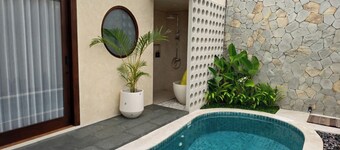
Allure Villa Yogyakarta
Jl. Jambon Tengah Yogyakarta Jogja
Quédate en esta villa de negocios de Yogyakarta. Entre otras cosas, cuenta con wifi gratis, aparcamiento gratuito y piscinas privadas. Dos atracciones turísticas ...

Oakwood Yogyakarta
Jl. A.M. Sangaji No.36, Yogyakarta
Quédate en este apartotel de lujo de Yogyakarta. Entre otras cosas, cuenta con aparcamiento gratuito, desayuno y servicio de habitaciones las 24 horas. Dos atracciones ...

Altuz Apartment Seturan – Private City Studio with Sky Pool Access
Sleman Yogyakarta
Quédate en este apartamento de Depok. Entre otras cosas, cuenta con lavandería, aire acondicionado y una piscina al aire libre. Dos atracciones turísticas populares ...
Precio más bajo por noche encontrado en las últimas 24 horas para una estancia de 1 noche y 2 adultos. Los precios y la disponibilidad están sujetos a cambios. Pueden aplicarse términos y condiciones adicionales.
Consulta la disponibilidad en hoteles de Tegalrejo
Alójate cerca de las atracciones populares de Tegalrejo
Actividades

Excursión garantizada a Borobudur y Prambanan Todo Incluido
31 €
por adulto
El 100 % de los viajeros la recomienda

Volcanes Yogyakarta : Monte Merapi en la cima de una colina (Vista Lava)
29 €
por adulto