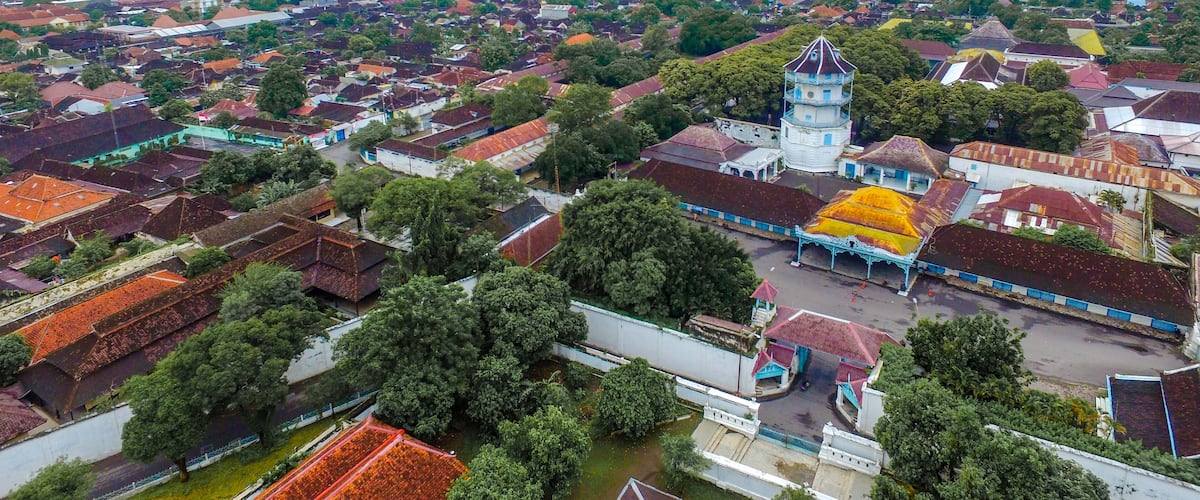
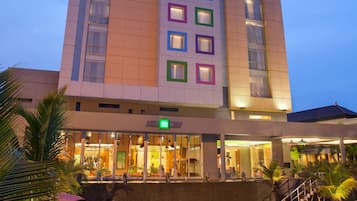
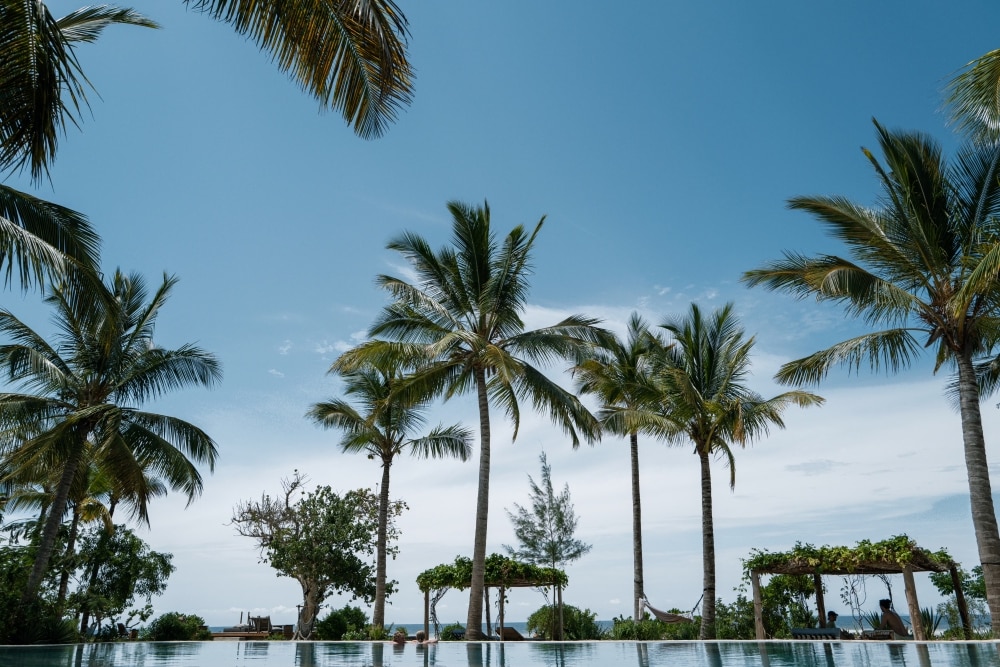
Foto de Sharrie Shaw
Hoteles en Surakarta
- No te preocupes si cambias de ideaReserva hoteles con cancelación gratuita.
- Escoge lo que tú quierasBusca entre más de un millón de alojamientos de todo el mundo.
Escoge un alojamiento muy especial de Surakarta
Consulta los precios para estas fechas
Esta noche
Mañana
Próximo fin de semana
En dos semanas
Nuestros mejores hoteles en Surakarta
El precio actual es de 60 €
incluye tasas e impuestos
Del 6 ene al 7 ene

8.6 sobre 10, Excelente, (78)
El precio actual es de 41 €
incluye tasas e impuestos
Del 18 ene al 19 ene

9.2 sobre 10, Impresionante, (38)
El precio actual es de 43 €
incluye tasas e impuestos
Del 4 ene al 5 ene

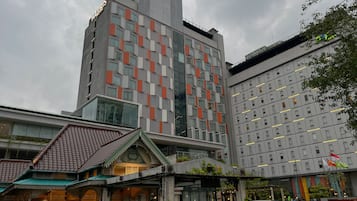
The Alana Hotel and Convention Center - Solo by Aston
The Alana Hotel and Convention Center - Solo by AstonColomadu
8.2 sobre 10, Muy bueno, (62)

8.0 sobre 10, Muy bueno, (13)
El precio actual es de 17 €
incluye tasas e impuestos
Del 12 ene al 13 ene
Precio más bajo por noche encontrado en las últimas 24 horas para una estancia de 1 noche y 2 adultos. Los precios y la disponibilidad están sujetos a cambios. Pueden aplicarse términos y condiciones adicionales.
Grandes ofertas de hotel para un fin de semana en Surakarta
Se muestran ofertas para estas fechas:16 ene - 18 ene
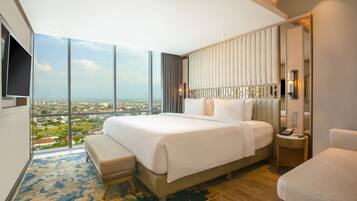
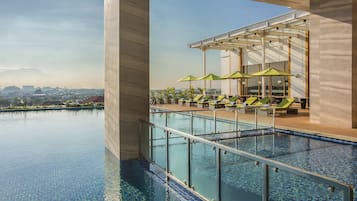
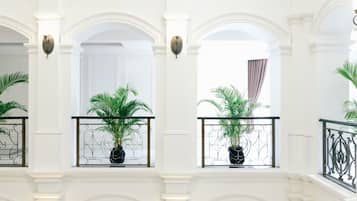
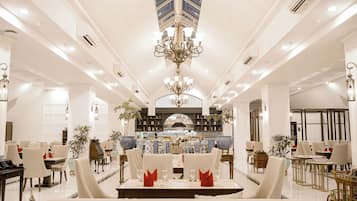
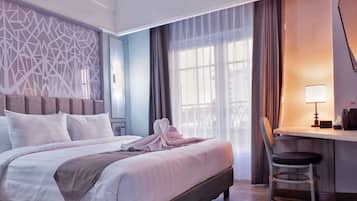
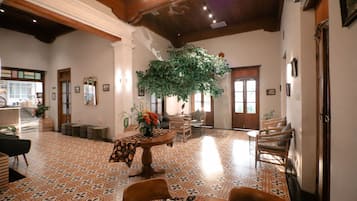
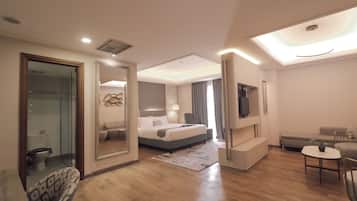
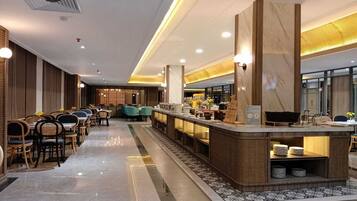
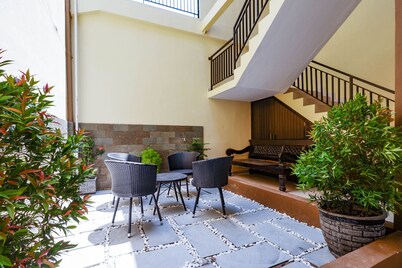
Galería de imágenes de Rumah Batu Boutique Hotel

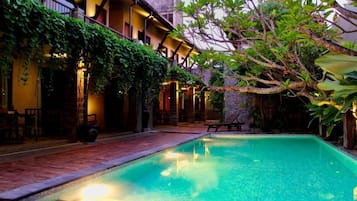
Rumah Batu Boutique Hotel
Baki
9.0/10Increíble (9 comentarios)
10 % de descuento
El precio es de 124 €
por 2 noches y 1 habitación
62 € por noche
incluye tasas e impuestos
Inicia sesión y ahorra una media de un 15 % en miles de hoteles
Dónde alojarte en Surakarta
Descubre las mejores zonas y barrios de Surakarta según las actividades que más te interesen. Obtener más información sobre Surakarta
Obtener más información sobre Surakarta
Centro de la ciudad de Surakarta
Los museos y los zoológicos de Centro de la ciudad de Surakarta te encantarán. Cuando estés por allí, aprovecha para pasarte por Solo Paragon Lifestyle Mall (centro comercial) o Parque Keprabon.
Banjarsari
Cuando estés en Banjarsari, aprovecha para ver algunos de sus principales atractivos, como Solo Paragon Lifestyle Mall (centro comercial) y Parque Balekambang.
Alójate cerca de las atracciones populares de Surakarta
Surakarta y destinos relacionados
Mejores comentarios sobre hoteles en Surakarta
Estancias baratas en Surakarta

Hotel Tirtonadi Permai
6 Jl. Tagore Surakarta Jawa Tengah
El precio es de 13 € por noche del 28 ene al 29 ene
13 €
Del 28 ene al 29 ene
incluye tasas e impuestos
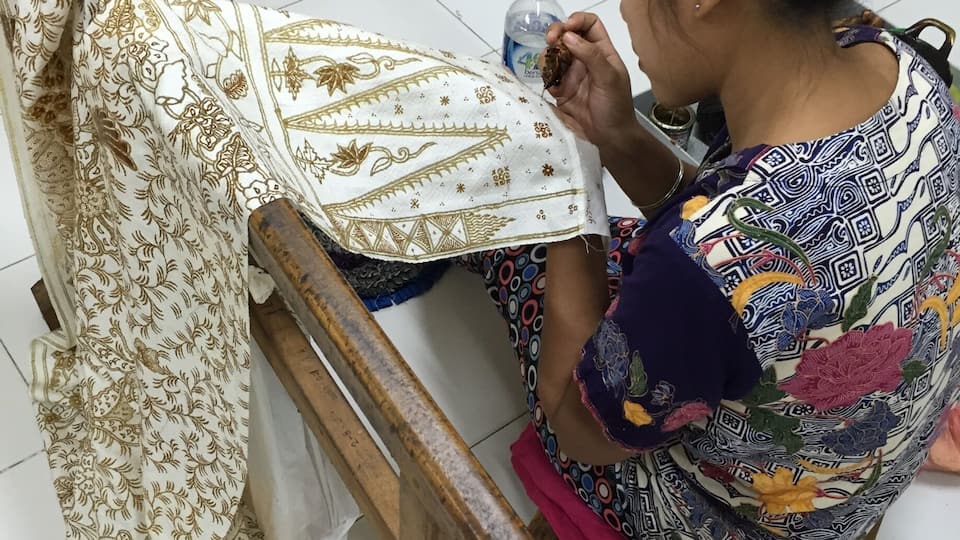
![At the museum no photos are allowed which is really unfortunate as it was well worth the visit and the guided tour is definitely not to be missed. In the museum there are even Batik made from the Dutch era which depicts stories like Little Red Riding Hood and Snow White!
I enjoyed the tour v much and at the end of the tour we were brought to this room where the artisan were working on hand drawn batik.
Below is an excerpt from Wikipedia for anyone interested in learning more about the process of batik making.
Firstly, a cloth is washed, soaked and beaten with a large mallet. Patterns are drawn with pencil and later redrawn using hot wax, usually made from a mixture of paraffin or bees wax, sometimes mixed with plant resins, which functions as a dye-resist. The wax can be applied with a variety of tools. A pen-like instrument called a canting (IPA: [tʃantiŋ], sometimes spelled with old Dutch orthography tjanting) is the most common. A canting is made from a small copper reservoir with a spout on a wooden handle. The reservoir holds the resist which flows through the spout, creating dots and lines as it moves. For larger patterns, a stiff brush may be used. Alternatively, a copper block stamp called a cap (IPA: [tʃap]; old spelling tjap) is used to cover large areas more efficiently.
After the cloth is dry, the resist is removed by scraping or boiling the cloth. The areas treated with resist keep their original color; when the resist is removed the contrast between the dyed and undyed areas forms the pattern. This process is repeated as many times as the number of colors desired.
The most traditional type of batik, called batik tulis (written batik), is drawn using only the canting. The cloth need to be drawn on both sides and dipped in a dye bath three to four times. The whole process may take up to a year; it yields considerably finer patterns than stamped batik.
Source: Wikipedia](https://images.trvl-media.com/place/6224808/26fd1460-c65a-4c1a-9444-7a893e883ac9.jpg?impolicy=fcrop&w=1200&h=500&q=medium)


![At the museum no photos are allowed which is really unfortunate as it was well worth the visit and the guided tour is definitely not to be missed. In the museum there are even Batik made from the Dutch era which depicts stories like Little Red Riding Hood and Snow White!
I enjoyed the tour v much and at the end of the tour we were brought to this room where the artisan were working on hand drawn batik.
Below is an excerpt from Wikipedia for anyone interested in learning more about the process of batik making.
Firstly, a cloth is washed, soaked and beaten with a large mallet. Patterns are drawn with pencil and later redrawn using hot wax, usually made from a mixture of paraffin or bees wax, sometimes mixed with plant resins, which functions as a dye-resist. The wax can be applied with a variety of tools. A pen-like instrument called a canting (IPA: [tʃantiŋ], sometimes spelled with old Dutch orthography tjanting) is the most common. A canting is made from a small copper reservoir with a spout on a wooden handle. The reservoir holds the resist which flows through the spout, creating dots and lines as it moves. For larger patterns, a stiff brush may be used. Alternatively, a copper block stamp called a cap (IPA: [tʃap]; old spelling tjap) is used to cover large areas more efficiently.
After the cloth is dry, the resist is removed by scraping or boiling the cloth. The areas treated with resist keep their original color; when the resist is removed the contrast between the dyed and undyed areas forms the pattern. This process is repeated as many times as the number of colors desired.
The most traditional type of batik, called batik tulis (written batik), is drawn using only the canting. The cloth need to be drawn on both sides and dipped in a dye bath three to four times. The whole process may take up to a year; it yields considerably finer patterns than stamped batik.
Source: Wikipedia](https://images.trvl-media.com/place/6224808/26fd1460-c65a-4c1a-9444-7a893e883ac9.jpg?impolicy=fcrop&w=300&h=400&p=1&q=high)