
Actividades en Voivodato de Varmia y Masuria
Actividades, atracciones y visitas guiadas
Viaja a Voivodato de Varmia y Masuria


 Explorar actividadesExplora miles de experiencias, desde actividades y atracciones hasta excursiones de un día y traslados.
 Reserva con facilidadSáltate las colas: reserva entradas online en cuestión de minutos para las principales atracciones, con cancelación gratuita en muchas actividades.
 Date un caprichoLos miembros ahorran un % o más al reservar actividades.
Atracciones turísticas populares
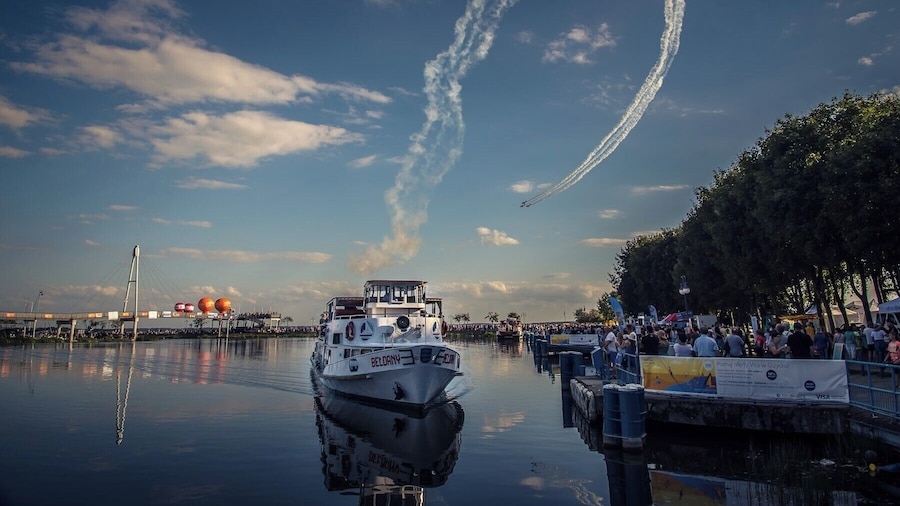
Lago Niegocin
Aprovecha para admirar la belleza natural de Lago Niegocin durante tus días en Gizycko. Y, ya que estás aquí, ¿por qué no admirar los espléndidos lagos o relajarte en el spa?

Lago Kuchenka
Aprovecha para admirar la belleza natural de Lago Kuchenka durante tus días en Jora Wielka. Y, ya que estás en la zona, ¿por qué no admirar los espléndidos lagos o relajarte en el spa?
Guarida del Lobo
Descubre la historia más representativa de Gierloz desde uno de sus puntos más visitados: Guarida del Lobo. Y, ya que estás aquí, ¿por qué no relajarte en el spa o admirar monumentos interesantes?
Universidad de Warmia y Mazury
Recorre el campus de Universidad de Warmia y Mazury durante tus días en Olsztyn. Y, ya que estás aquí, también deberías admirar los espléndidos lagos.
Pueblo de los Marineros
Acércate a Pueblo de los Marineros y déjate sorprender por la belleza del litoral de Mikołajki. Y, ya que estás en la zona, ¿por qué no admirar los espléndidos lagos o relajarte en el spa?
Búnkeres de Mamerki
Si, durante tus vacaciones, te apetece admirar los entresijos culturales de Mamerki, recuerda visitar Búnkeres de Mamerki.
Lago Mamry
Aprovecha para admirar la belleza natural de Lago Mamry durante tus días en Wegorzewo. Y, ya que estás aquí, ¿por qué no admirar los espléndidos lagos o visitar algún museo?
Museo Polaco de la Reforma
Si, durante tus vacaciones, quieres conocer los entresijos de la cultura de Mikołajki, recuerda acercarte a Museo Polaco de la Reforma. Y, ya que estás en la zona, ¿por qué no admirar los espléndidos lagos o relajarte en el spa?
Lago Jezioro Świętajno
Aprovecha para admirar la belleza natural de Lago Jezioro Świętajno durante tus días en Jedwabno.
Zonas de Voivodato de Varmia y Masuria
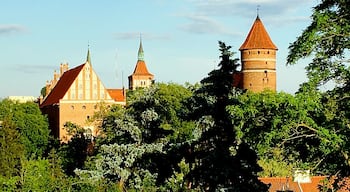
Osiedle Grunwaldzkie
Miestras estás en Osiedle Grunwaldzkie, puedes aprovechar para visitar Museo de Warmia y Mazury y Casa de la Gaceta de Olsztyn, algunos de los lugares más interesantes de los alrededores.

Kortowo
Kortowo es un barrio muy popular por sus restaurantes. Si te apetece conocer a fondo la zona de Olsztyn, acércate a Museo de Warmia y Mazury o Casa de la Gaceta de Olsztyn.



Te acercamos a un mundo de viajes
- Visitar Goldap
- Visitar Lidzbark Welski
- Vacaciones en Ryn
- Visitar Orneta
- Visitar Olsztyn
- Visitar Mikołajki
- Visitar Mragowo
- Visitar Ryn
- Visitar Tumiany
- Vacaciones en Elk
- Visitar Maroz
- Visitar Gizycko
- Visitar Pisz
- Visitar Bogacko
- Vacaciones en Olsztyn
- Visitar Dzialdowo
- Visitar Reszel
- Visitar Frombork
- Vacaciones en Frombork
- Visitar Gierloz
- Visitar Elblag
- Visitar Purda
- Visitar Guty
- Visitar Ruciane-Nida
- Visitar Bartoszyce
- Visitar Lidzbark Warminski
- Visitar Biskupiec
- Vacaciones en Ostróda
- Visitar Wilkasy
- Visitar Ilawa
- Visitar Mamerki
- Visitar Pieczarki
- Vacaciones en Maroz
- Visitar Lubawa
- Visitar Przykop
- Visitar Olecko
- Visitar Kętrzyn