Actividades en Condado de Camden

Actividades, atracciones y visitas guiadas

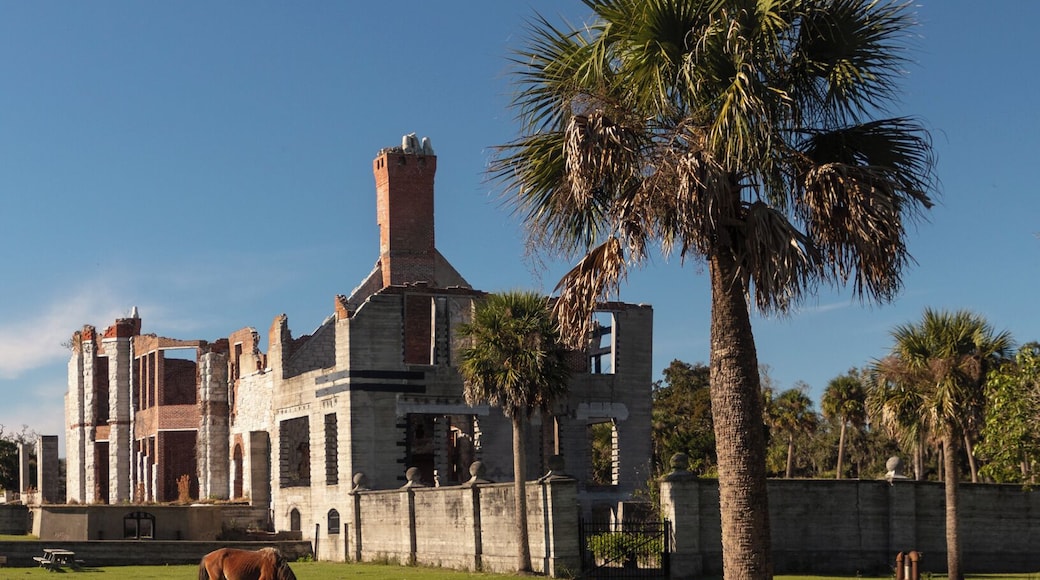
Dungeness on Cumberland Island, Georgia, is a ruined mansion that is part of a historic district that was the home of several families significant in American history. James Oglethorpe first built on Cumberland Island in 1736, building a hunting lodge that he named Dungeness. Oglethorpe named the place after Dungeness, in England. The next Dungeness was the legacy of Revolutionary War hero Nathanael Greene, who had acquired 11,000 acres of island land in exchange for a bad debt. His widow built a four-story tabby mansion in 1803, over a Timucuan shell mound. During the War of 1812 the island was occupied by the British, who used the house as a headquarters.
In 1818 Henry “Light-Horse Harry” Lee, a dashing cavalry commander during the Revolutionary War and father of Robert E. Lee, stayed at the house until his death on March 25, 1818, cared for by Greene's daughter Louisa, and was laid to rest in nearby cemetery with full military honors provided by an American fleet stationed at St. Marys, Georgia. The house was abandoned during the U.S. Civil War and burned in 1866. 
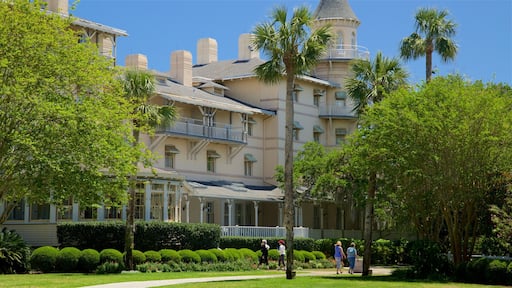
In the 1880s the property was purchased by Thomas M. Carnegie, brother of Andrew Carnegie, who began to build a new mansion on the site. The 59-room Queen Anne style mansion and grounds were completed after Carnegie's death in 1886. His wife Lucy continued to live at Dungeness and built other estates for her children, including Greyfield for Margaret Carnegie, Plum Orchard for George Lauder Carnegie, and Stafford Plantation. By this time, the Carnegies owned 90% of the island.
The Carnegies moved out of Dungeness in 1925. In 1959 the Dungeness mansion was destroyed by fire, alleged to be arson. The ruins are today preserved by the National Park Service as part of Cumberland Island National Seashore. They were acquired by the Park Service in 1972.
Dungeness on Cumberland Island, Georgia, is a ruined mansion that is part of a historic district that was the home of several families significant in American history. James Oglethorpe first built on Cumberland Island in 1736, building a hunting lodge that he named Dungeness. Oglethorpe named the place after Dungeness, in England. The next Dungeness was the legacy of Revolutionary War hero Nathanael Greene, who had acquired 11,000 acres of island land in exchange for a bad debt. His widow built a four-story tabby mansion in 1803, over a Timucuan shell mound. During the War of 1812 the island was occupied by the British, who used the house as a headquarters.
In 1818 Henry “Light-Horse Harry” Lee, a dashing cavalry commander during the Revolutionary War and father of Robert E. Lee, stayed at the house until his death on March 25, 1818, cared for by Greene's daughter Louisa, and was laid to rest in nearby cemetery with full military honors provided by an American fleet stationed at St. Marys, Georgia. The house was abandoned during the U.S. Civil War and burned in 1866. 
In the 1880s the property was purchased by Thomas M. Carnegie, brother of Andrew Carnegie, who began to build a new mansion on the site. The 59-room Queen Anne style mansion and grounds were completed after Carnegie's death in 1886. His wife Lucy continued to live at Dungeness and built other estates for her children, including Greyfield for Margaret Carnegie, Plum Orchard for George Lauder Carnegie, and Stafford Plantation. By this time, the Carnegies owned 90% of the island.
The Carnegies moved out of Dungeness in 1925. In 1959 the Dungeness mansion was destroyed by fire, alleged to be arson. The ruins are today preserved by the National Park Service as part of Cumberland Island National Seashore. They were acquired by the Park Service in 1972.
So many shore birds!
Beautiful small town off I-95.You can also get to Cumberland island from St Mary's
Dungeness on Cumberland Island, Georgia, is a ruined mansion that is part of a historic district that was the home of several families significant in American history. James Oglethorpe first built on Cumberland Island in 1736, building a hunting lodge that he named Dungeness. Oglethorpe named the place after Dungeness, in England. The next Dungeness was the legacy of Revolutionary War hero Nathanael Greene, who had acquired 11,000 acres of island land in exchange for a bad debt. His widow built a four-story tabby mansion in 1803, over a Timucuan shell mound. During the War of 1812 the island was occupied by the British, who used the house as a headquarters.
In 1818 Henry “Light-Horse Harry” Lee, a dashing cavalry commander during the Revolutionary War and father of Robert E. Lee, stayed at the house until his death on March 25, 1818, cared for by Greene's daughter Louisa, and was laid to rest in nearby cemetery with full military honors provided by an American fleet stationed at St. Marys, Georgia. The house was abandoned during the U.S. Civil War and burned in 1866. 
In the 1880s the property was purchased by Thomas M. Carnegie, brother of Andrew Carnegie, who began to build a new mansion on the site. The 59-room Queen Anne style mansion and grounds were completed after Carnegie's death in 1886. His wife Lucy continued to live at Dungeness and built other estates for her children, including Greyfield for Margaret Carnegie, Plum Orchard for George Lauder Carnegie, and Stafford Plantation. By this time, the Carnegies owned 90% of the island.
The Carnegies moved out of Dungeness in 1925. In 1959 the Dungeness mansion was destroyed by fire, alleged to be arson. The ruins are today preserved by the National Park Service as part of Cumberland Island National Seashore. They were acquired by the Park Service in 1972.

  • find price illustration

    Explorar actividades

    Explora miles de experiencias, desde actividades y atracciones hasta excursiones de un día y traslados.
  • calendar shield illustration

    Reserva con facilidad

    Sáltate las colas: reserva entradas online en cuestión de minutos para las principales atracciones, con cancelación gratuita en muchas actividades.
  • trophy illustration

    Date un capricho

    Los miembros ahorran un  % o más al reservar actividades.

Ciudades cerca de Condado de Camden