Comtat d'Albemarle, VA

Virginia

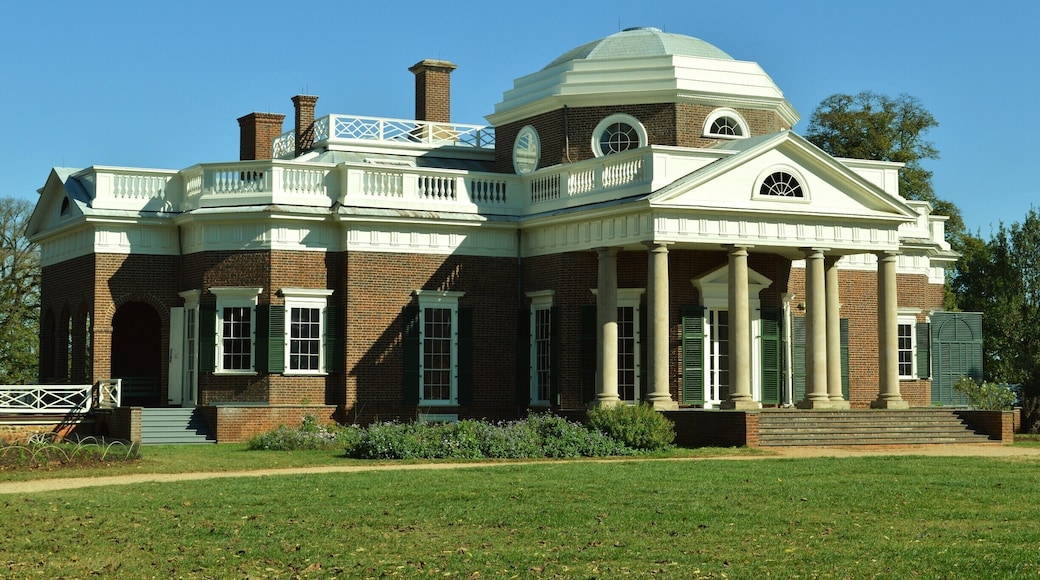
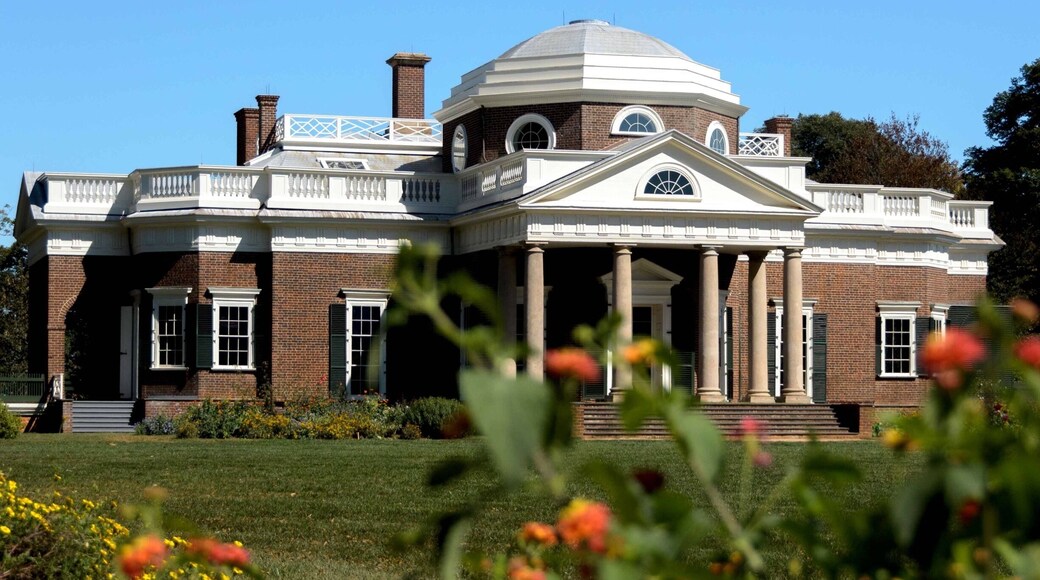
Monticello was the primary plantation of Thomas Jefferson, the third President of the United States, who began designing and building Monticello at age 26 after inheriting land from his father. Located just outside Charlottesville, Virginia, in the Piedmont region, the plantation was originally 5,000 acres (20 km2), with Jefferson using slaves for extensive cultivation of tobacco and mixed crops, later shifting from tobacco cultivation to wheat in response to changing markets.

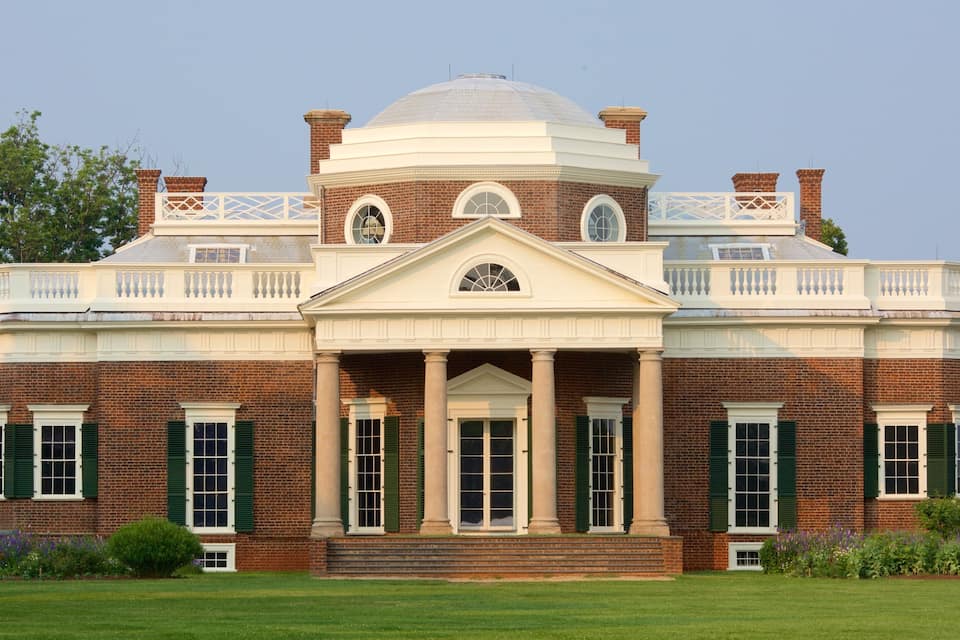
Jefferson designed the main house using neoclassical design principles described by Italian Renaissance architect Andrea Palladio, subsequently reworking the design through much of his presidency to include design elements popular in late 18th-century Europe and integrating numerous of his own design solutions. Situated on the summit of an 850-foot (260 m)-high peak in the Southwest Mountains south of the Rivanna Gap, the name Monticello derives from the Italian for "little mount". Along a prominent lane adjacent to the house, Mulberry Row, the plantation came to include numerous outbuildings for specialized functions, e.g., a nailery; quarters for domestic slaves; gardens for flowers, produce, and Jefferson's experiments in plant breeding — along with tobacco fields and mixed crops. Cabins for field slaves were located farther from the mansion.

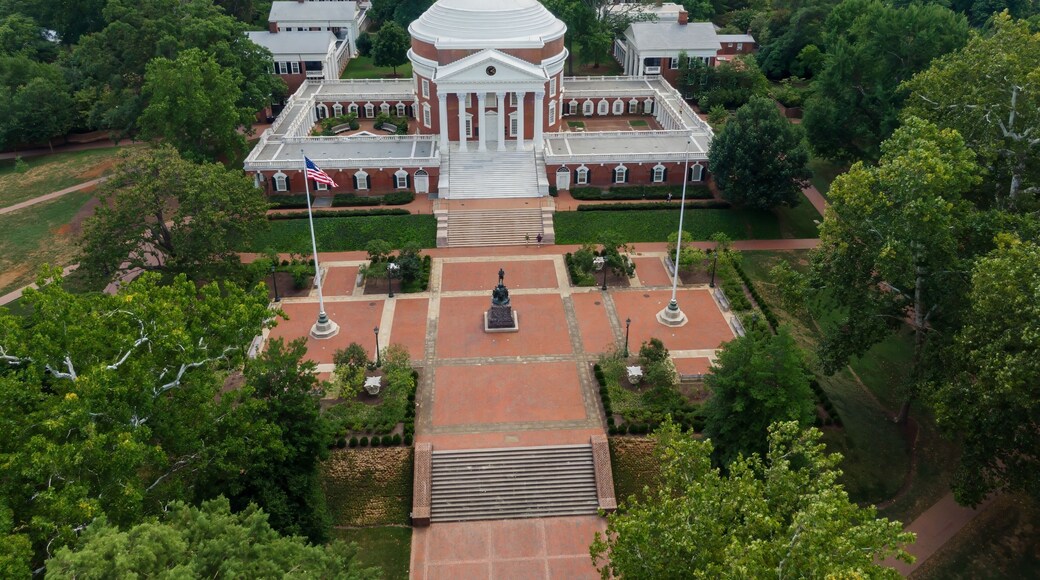
At Jefferson's direction, he was buried on the grounds, in an area now designated as the Monticello Cemetery. The cemetery is owned by the Monticello Association, a society of his descendants through Martha Wayles Skelton Jefferson.[4] After Jefferson's death, his daughter Martha Jefferson Randolph sold the property. In 1834 it was bought by Uriah P. Levy, a commodore in the U.S. Navy, who admired Jefferson and spent his own money to preserve the property. His nephew Jefferson Monroe Levy took over the property in 1879; he also invested considerable money to restore and preserve it. In 1923, Monroe Levy sold it to the Thomas Jefferson Foundation (TJF), which operates it as a house museum and educational institution. It has been designated a National Historic Landmark. In 1987 Monticello and the nearby University of Virginia, also designed by Jefferson, were together designated a UNESCO World Heritage Site.
Monticello was the primary plantation of Thomas Jefferson, the third President of the United States, who began designing and building Monticello at age 26 after inheriting land from his father. Located just outside Charlottesville, Virginia, in the Piedmont region, the plantation was originally 5,000 acres (20 km2), with Jefferson using slaves for extensive cultivation of tobacco and mixed crops, later shifting from tobacco cultivation to wheat in response to changing markets.

Jefferson designed the main house using neoclassical design principles described by Italian Renaissance architect Andrea Palladio, subsequently reworking the design through much of his presidency to include design elements popular in late 18th-century Europe and integrating numerous of his own design solutions. Situated on the summit of an 850-foot (260 m)-high peak in the Southwest Mountains south of the Rivanna Gap, the name Monticello derives from the Italian for "little mount". Along a prominent lane adjacent to the house, Mulberry Row, the plantation came to include numerous outbuildings for specialized functions, e.g., a nailery; quarters for domestic slaves; gardens for flowers, produce, and Jefferson's experiments in plant breeding — along with tobacco fields and mixed crops. Cabins for field slaves were located farther from the mansion.

At Jefferson's direction, he was buried on the grounds, in an area now designated as the Monticello Cemetery. The cemetery is owned by the Monticello Association, a society of his descendants through Martha Wayles Skelton Jefferson.[4] After Jefferson's death, his daughter Martha Jefferson Randolph sold the property. In 1834 it was bought by Uriah P. Levy, a commodore in the U.S. Navy, who admired Jefferson and spent his own money to preserve the property. His nephew Jefferson Monroe Levy took over the property in 1879; he also invested considerable money to restore and preserve it. In 1923, Monroe Levy sold it to the Thomas Jefferson Foundation (TJF), which operates it as a house museum and educational institution. It has been designated a National Historic Landmark. In 1987 Monticello and the nearby University of Virginia, also designed by Jefferson, were together designated a UNESCO World Heritage Site.
Jefferson’s plantation home confirmed as UNESCO cultural site in 1987.  Lots of visitors daily, so shooting something in the foreground helps to mask wanderers.
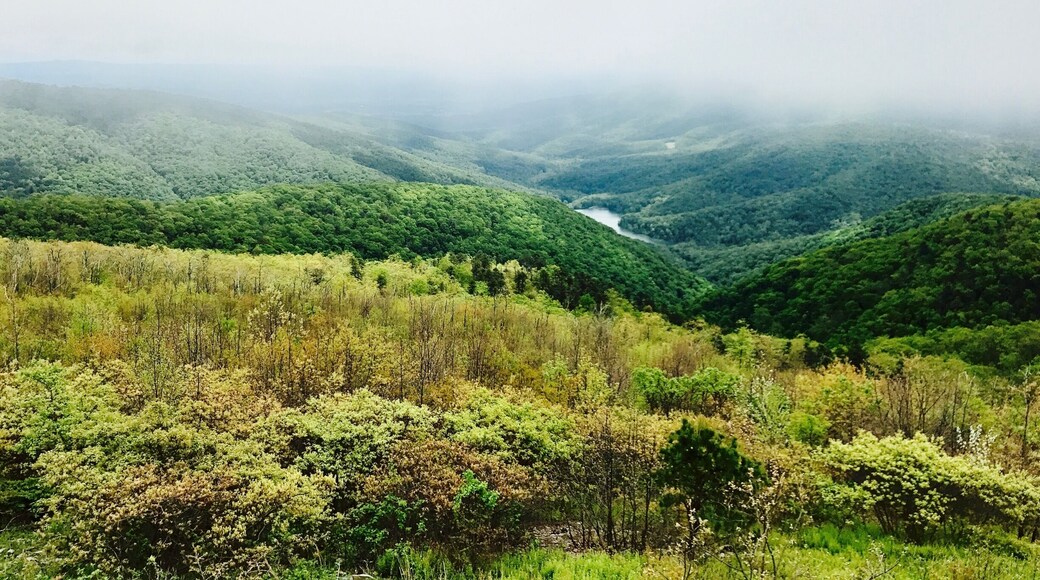
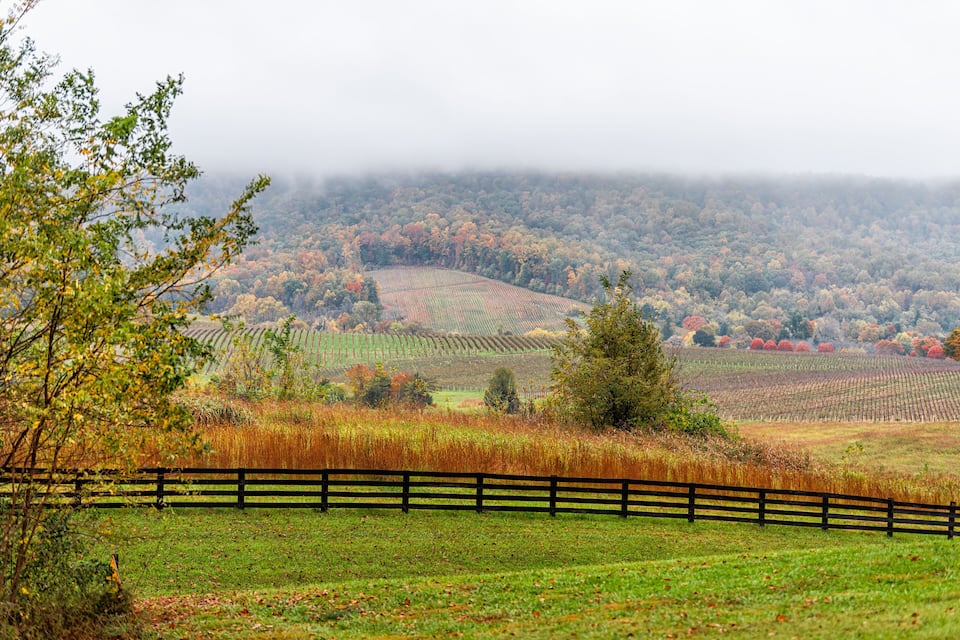
Best look out south of the park! Loving the clouds today
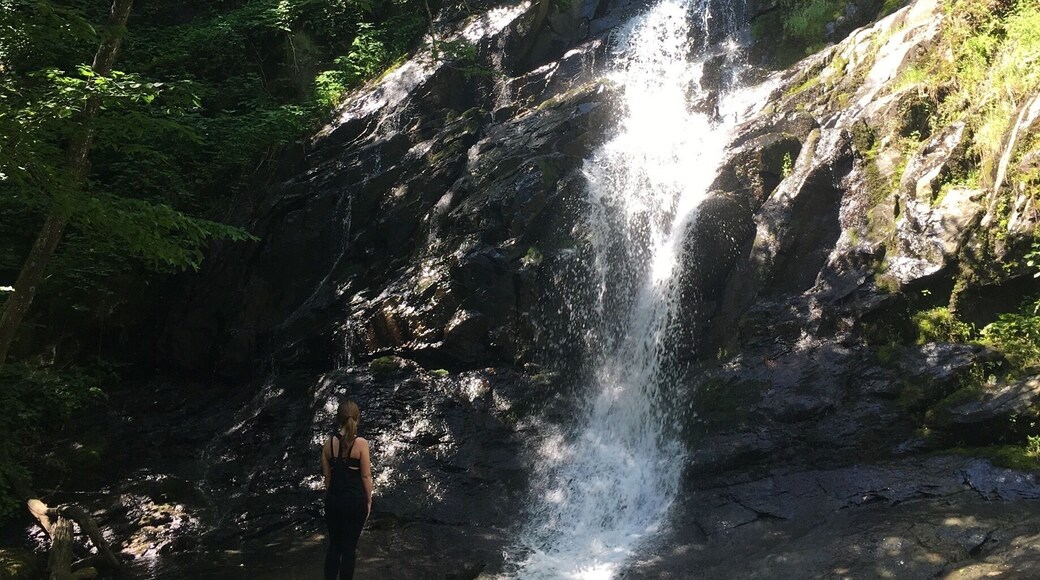
One of the many beautiful waterfalls off of Skyline Drive in Virginia. This was one of many my friend Cassie and I saw while hiking Doyle's River Falls trail this summer.

Ciutats populars a Comtat d'Albemarle

Charlottesville featuring a house, a park and forests
Charlottesville
Punts forts: Universitats, Esports i Cellers
Explora Charlottesville: hi trobaràs un ambient universitari, música en directe i emplaçaments d'interès històric, entre d'altres atractius.

Motius per fer-hi una visita

  • Universitat de Virgínia
  • Monticello
  • Centre Comercial del Centre
Afton
Afton
Punts forts: Muntanyes, Paisatges i Sortida del sol
Surt a descobrir Afton: hi trobaràs vistes a la muntanya, albades i cellers.

Motius per fer-hi una visita

  • Veritas Vineyard and Winery
  • Vinyes de Afton Mountain
  • Vinya i Celler Cardinal Point
Doyles River Falls
Crozet
Punts forts: Serveis de restauració, Cellers i Cafè
Crozet et proposa unes vacances romàntiques. Hi trobaràs cellers, la seva gastronomia i rutes de senderisme, entre d'altres atractius.

Motius per fer-hi una visita

  • Vinyes de la Família King
  • Cascades del riu Doyles
  • Vinyes de White Hall
Keswick
Keswick
Punts forts: Serveis de restauració i Cellers
Planeja la teva escapada a Keswick i gaudeix de tot el que et pot oferir. Hi trobaràs cellers i la seva gastronomia.

Motius per fer-hi una visita

  • Keswick Vineyards and Winery
The Appalachian community makes the most out of what they are given and I believe that this photo illustrates that pretty well. Imagine a kid fishing in this pond with his father. One stereotype that is made about the Appalachian region is that we have nothing to do around here, but the citizens who live in the area disagree because when they look at this picture they do not just see a pond, they see a place to fish, swim, feed ducks, or just sit and take in the beauty that is the Appalachian Mountains.
#appalachianechoes
North Garden
Punts forts: Familiar, Opcions de negocis i Allotjament romàntic
És l'hora de descobrir North Garden i de viure unes vacances romàntiques. Hi trobaràs la seva gastronomia, activitats esportives i cellers.

Motius per fer-hi una visita

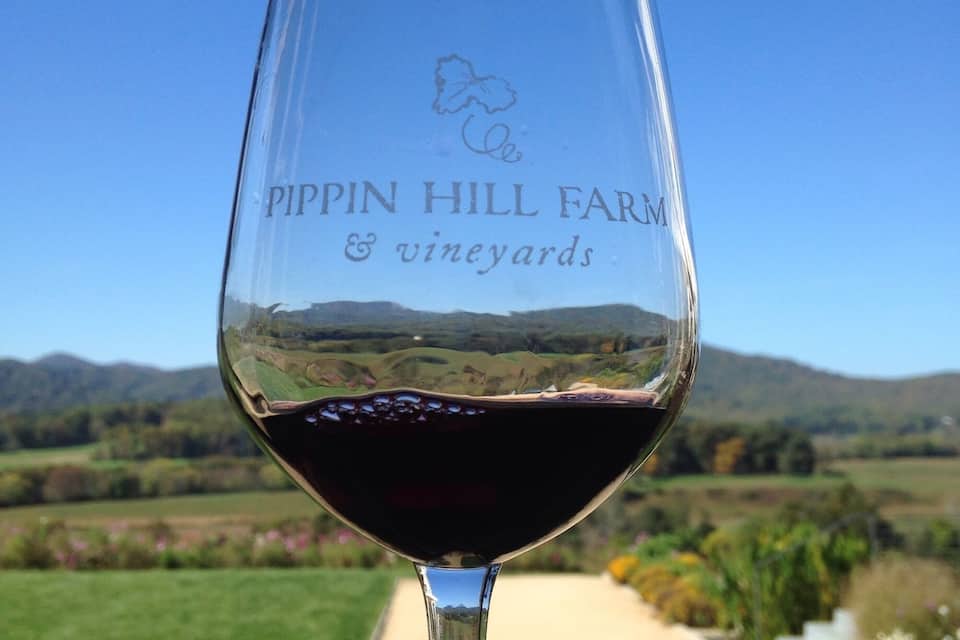
  • Granja i Vinyes de Pippin Hill
Scottsville
Scottsville
Punts forts: Serveis de restauració, Cellers i Relaxació
Scottsville et proposa unes vacances relaxants. Hi trobaràs la seva gastronomia, cellers i emplaçaments d'interès històric, entre d'altres atractius.